
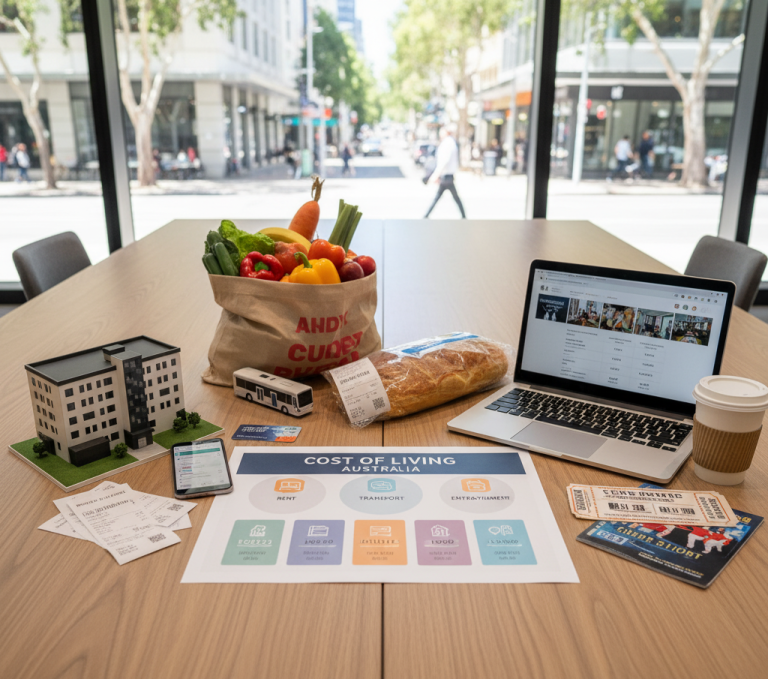
Studying in Australia is a life-changing opportunity that opens doors to world-class education, cultural experiences, and future career prospects. However, to make the most of your study journey, it’s crucial to understand the real cost of living in Australia for international students before you arrive. Living expenses can vary widely depending on multiple factors, including the city you choose, whether you live on-campus or off-campus, your lifestyle habits, and the level of study you pursue. For example, living in major cities like Sydney or Melbourne tends to be more expensive than in Adelaide or regional towns.
Proper planning and budgeting are essential to ensure you can manage daily expenses, maintain a comfortable lifestyle, and avoid financial stress. This includes accounting for accommodation, groceries, transport, utilities, health insurance, and leisure activities. By having a realistic view of your monthly expenses and preparing in advance, you can focus fully on your studies, explore the local culture, and enjoy a fulfilling experience in Australia.
At MG Education Consultancy, we guide students through a detailed student living cost plan, helping you estimate expenses, find affordable accommodation, and make smart financial decisions — so your Australian study journey is smooth, well-prepared, and stress-free.
💰 Average Monthly Cost of Living in Australia
On average, international students in Australia spend AUD 1,400–2,500 per month. This includes:
Accommodation: AUD 450–900
Groceries & Food: AUD 300–500
Transportation: AUD 100–200
Utilities (electricity, water, internet): AUD 150–250
Miscellaneous (clothing, entertainment, phone, leisure): AUD 150–250
💡 Tip: Cities like Sydney and Melbourne are more expensive, while Adelaide, Perth, and regional areas are more affordable.
🏠 1. Accommodation Costs
Accommodation is usually the biggest expense. Options include:
On-campus housing: Convenient and secure, costs AUD 600–1,000/month. Includes utilities and Wi-Fi in most cases.
Shared apartments or houses: Popular for students, costs AUD 400–700/month, often cheaper if shared with other students.
Homestays: Live with an Australian family for AUD 700–1,000/month. Offers cultural experience and meals, but may limit independence.
MG Education Consultancy Tip: We help students choose the best accommodation option according to their budget, location preferences, and lifestyle.
🛒 2. Groceries and Food
Eating habits greatly affect costs:
Cooking at home: AUD 300–500/month
Eating out occasionally: AUD 15–25 per meal
Coffee: AUD 4–5
Supermarkets: Coles, Woolworths, ALDI offer affordable student options.
💡 Savings Tip: Meal planning and shopping at budget supermarkets can reduce your monthly food expenses significantly.
🚆 3. Transportation
Australia has excellent public transport:
Student concession fares reduce monthly expenses
Average monthly cost: AUD 100–200
Options include buses, trains, trams, and ferries
Cycling or walking can save money and improve fitness
MG Education Consultancy Tip: We provide guidance on getting student transport cards and understanding city-specific transport systems.
⚡ 4. Utilities and Internet
Living off-campus requires budgeting for utilities:
Electricity, water, gas, internet: AUD 150–250/month
Some student apartments include utilities in the rent, check before signing a lease
Internet providers like Telstra, Optus, or TPG offer competitive student plans
🎉 5. Personal and Miscellaneous Expenses
These cover daily life, entertainment, and lifestyle:
Mobile phone: AUD 20–40/month
Leisure activities (movies, gym, shopping): AUD 50–150/month
Clothing, personal care, and small emergencies: AUD 50–100/month
💡 Tip: Keeping track of expenses and using budgeting apps helps students avoid overspending.
🩺 6. Overseas Student Health Cover (OSHC)
Mandatory for all international students
Cost: AUD 500–700/year depending on provider and visa duration
Covers doctor visits, hospital care, and some prescription medicines
MG Education Consultancy Tip: We assist in selecting the best OSHC plan that meets visa requirements and budget.
📍 City-Wise Cost Comparison
| City | Average Monthly Cost (AUD) |
|---|---|
| Sydney | 2,000–2,500 |
| Melbourne | 1,800–2,300 |
| Brisbane | 1,600–2,000 |
| Adelaide | 1,400–1,800 |
| Perth | 1,500–1,900 |
| Regional cities | 1,200–1,600 |
💡 Observation: Regional areas are cheaper and often offer scholarships or work opportunities for students.
Why Knowing the Student Living Cost in Australia Is Crucial for Parents and Students
For families planning to send their children abroad, studying in Australia is a life-changing opportunity, but it also requires careful financial preparation. Understanding the student living cost in Australia is essential for parents to plan effectively and support their child’s study journey.
1. Plan Your Budget Effectively
Knowing the living cost in Australia allows parents to create a realistic budget that covers tuition, accommodation, food, transport, utilities, and personal expenses. Awareness of living expenses in Australia for student visa holders helps avoid unexpected financial pressure and ensures a smooth experience for both students and parents.
2. Avoid Financial Stress for Students
Many students face challenges managing their money while living abroad. Parents who understand student living cost Australia can provide their children with sufficient funds to cover monthly expenses, enabling them to focus on academics instead of worrying about finances.
3. Choose the Right City and Accommodation
The living cost in Australia varies by city. Major cities like Sydney and Melbourne are more expensive than Adelaide, Perth, or regional towns. By being aware of student living cost in Australia, parents can help their children select cities and accommodation options that fit their budget, ensuring a comfortable lifestyle.
4. Prepare for Health, Insurance, and Emergencies
All international students must have Overseas Student Health Cover (OSHC). Parents who understand living expenses in Australia for student visa holders can also plan for unexpected medical costs or emergencies, helping students stay financially secure.
5. Support a Balanced Lifestyle
Beyond essentials, students need funds for leisure, social activities, and personal development. Parents who consider the student living cost in Australia can guide their children in maintaining a healthy and balanced lifestyle, which supports both academic performance and personal well-being.
6. Ensure Long-Term Value
Studying abroad is a major investment in a child’s future. Parents who are aware of living cost in Australia and student living cost Australia can make informed decisions, ensuring the study experience is valuable, safe, and financially sustainable.
Budgeting Tips for Students
Plan a monthly budget with all expenses
Use student discounts for transport, food, and entertainment
Shop at budget supermarkets and cook at home
Track spending using apps like Mint or Pocketbook
Have an emergency fund of at least 1–2 months’ living costs
Understanding the student living cost in Australia is critical for parents to plan a stress-free and successful study experience. By knowing the living expenses in Australia for student visa holders, families can support their children effectively, choose the right city and accommodation, and prepare for all potential costs.
At MG Education Consultancy, we help families calculate realistic budgets, manage student living cost in Australia, and plan every aspect of their child’s study journey — ensuring students can focus on learning and thrive in Australia.